MOBILITY
FOR THOSE LOOKING FOR SOMETHING A LITTLE DIFFERENT…
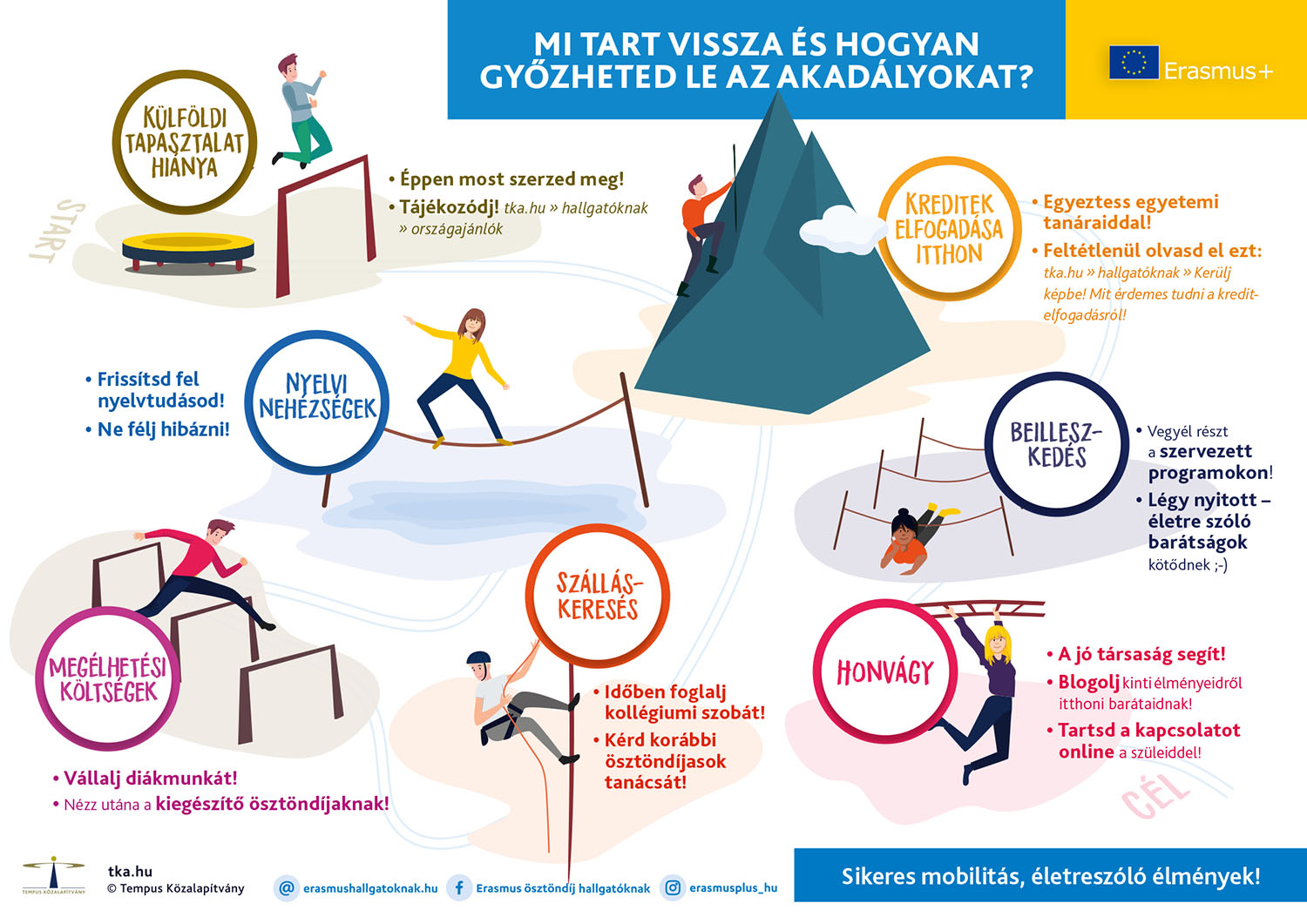
Do you sometimes feel like running away? Are you looking for a genuine adventure that will change your life? Then it may be time for you to spend one fantastic semester (or more) at a university abroad. Here’s our list of the top ten reasons you should check out your opportunities for studying abroad.
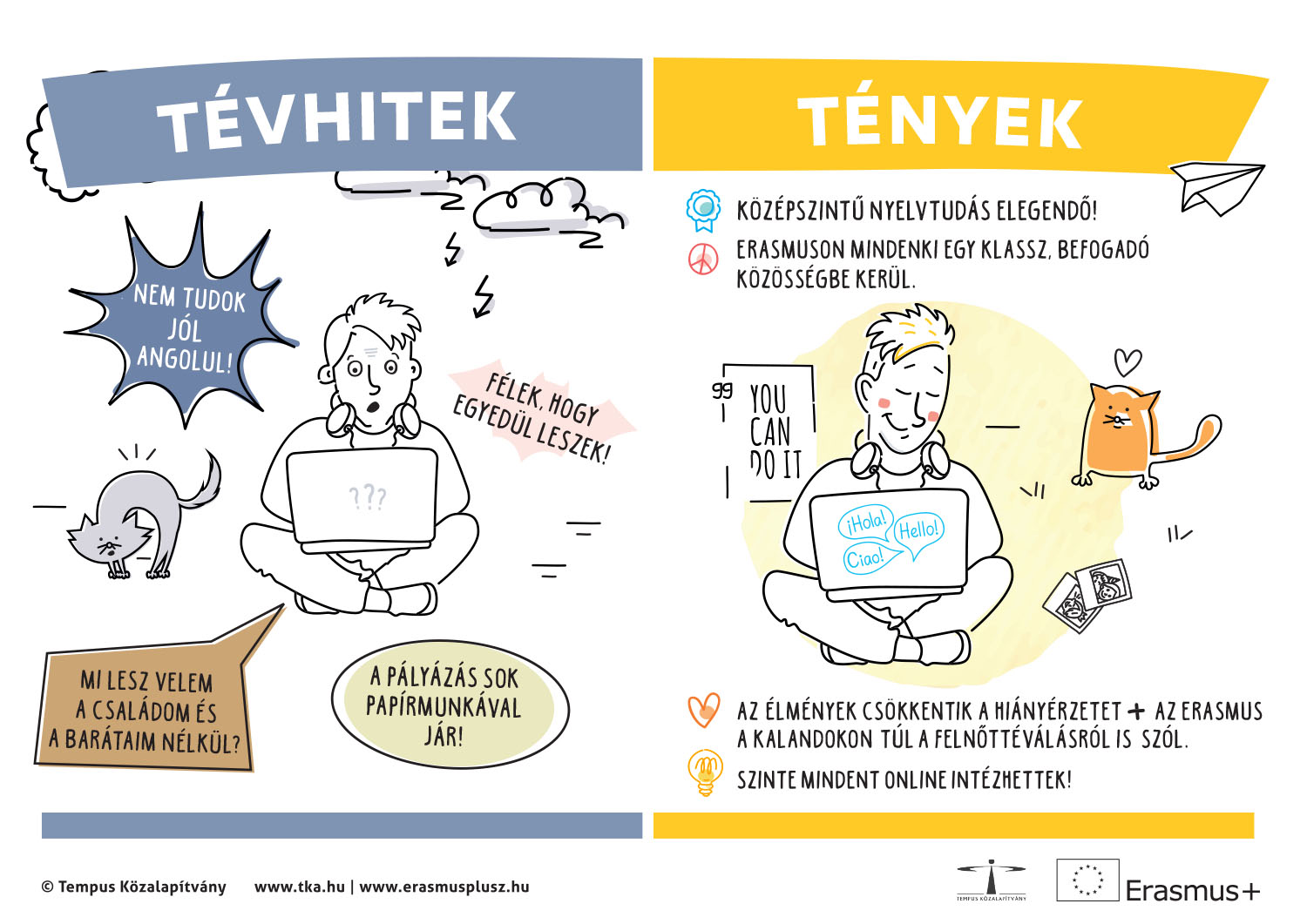
1. Language learning.You know it. Proficiency in a foreign language is now a basic requirement everywhere. Even if you spend years attending language classes, you’ll never be as proficient as if you spend some time abroad, practicing and studying that foreign language day in and day out.
2. Culture. Scholarships abroad are a great way to get to know the people of the country you’re visiting, their customs and way of life included. You will discover something new with every day you spend abroad. Are Germans really as precise as they are rumored to be? Do all Italians eat pizza? Is it always raining in London? Forget stereotypes, and find out the truth for yourself!
3. Learning.In addition to learning new skills, you will also gain insight into the education system of another country. Who knows, it may belove at first sight, and you may end up doing your masters or doctorate there!
4. Professional development. Not only can you study abroad, but you can also work as an intern there. Your professional development is guaranteed. And last but not least, there’s nothing like a semester spent abroad to spice up your CV.

5. Friends. Far from being the only foreign student there, you’ll be joined by dozens of other exchange students from all over the world. What a great opportunity to get to know each other, become more open, and make new friends and contacts. And you just might meet the love of your life.
6. More travel. Most returning students report that they made lifelong friendships during their time abroad, and the happy consequence of this is that you’ll keep visiting each other later. They can visit you in Hungary and you can visit them in Berlin, Rome or Paris, or anywhere else in the world. The bottom line is that you are guaranteed to remain a world traveler.
7. Have fun.Think about it: you’ll be spending a few months with students from 33 countries. There are countless activities, excursions, cultural events, a real international party.
8. The experience of a lifetime. You’ll be exposed to a wealth of new stimuli and impressions that will change the way you see the world. There’ll be moments you’ll always fondly remember: a beach sunset or an unforgettable evening or a conversation with a new friend. You’ll certainly have stories to tell your grandchildren.
9. Self-awareness. Whichever way you look at it, surviving on your own in a foreign country is the real deep end. With sharks. It’s a great way to get to know yourself better and learn how to act in a rich variety of situations.. It won’t be easy at first. Some days, you may want to get on the first train or plane home, but as time passes, you will discover just how much you are capable of.
10. Independence. With Mom and Dad far away, you will have to learn to rely on yourself And trust your own resourcefulness and resilience. Don’t worry though, locals are generally nice people happy to give you the help you need. By the time you return home, however, you will have learned the real meaning of independence. And this may well be the biggest step along the bumpy road to adulthood.
internships
INTERNSHIPS
- Purpose of internships
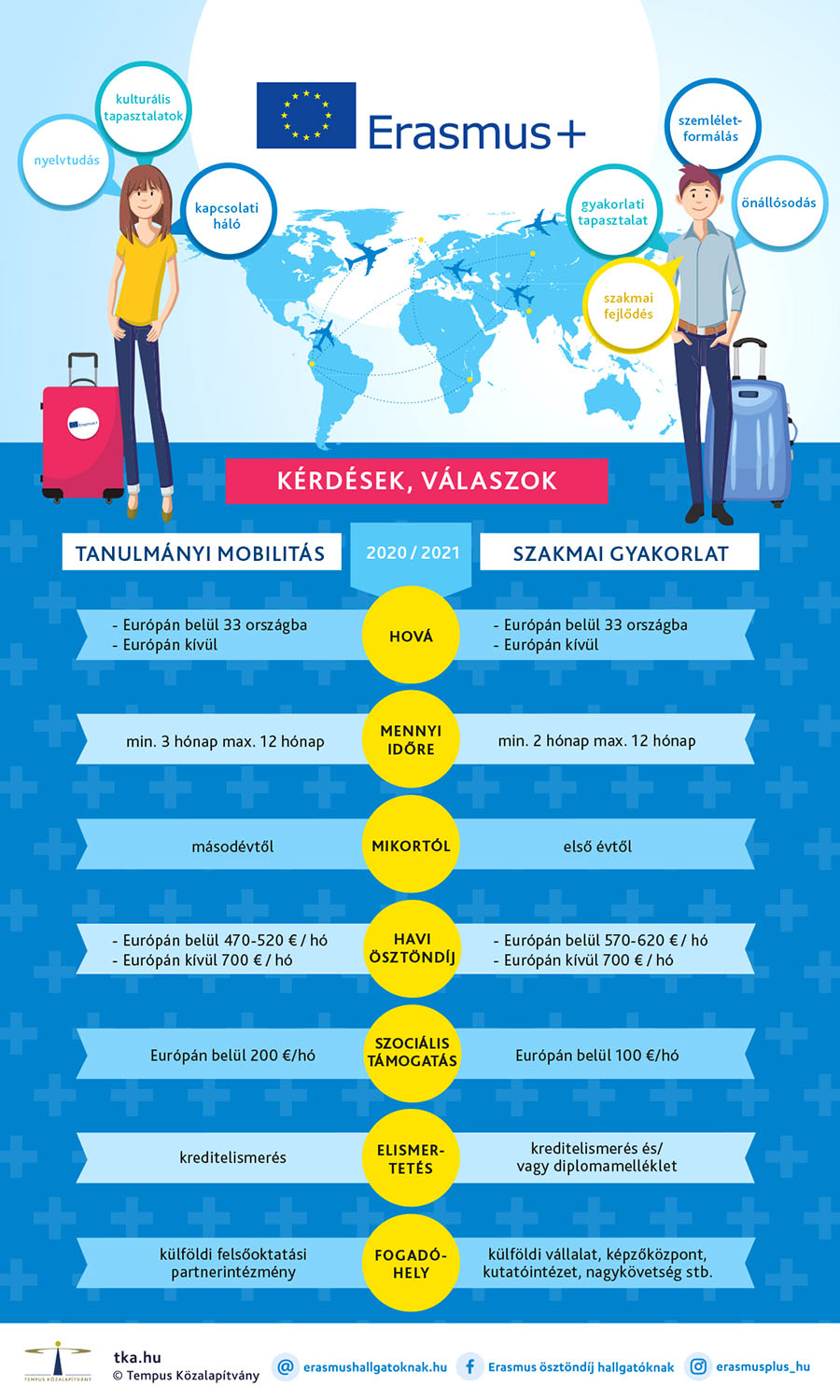
An internship is a period spent working in at a company of organization one of our partner countries. Internship opportunities are designed to help you acquire the skills needed in the job market and to understand the economic and social culture of the host country. The hosting organization may be a private or public institution active in the job market or in the fields of education, training or youth-work. National Agencies, EU bodies and Hungarian diplomatic missions and consular posts form exceptions.
- Why apply for an internship?
- to acquire a confident authentic command of the language and build a professional vocabulary
- to gain international work experience and build professional contacts
- to secure an advantage in the job market
- Activities eligible for scholarship support
- internship mobility for students in higher education (2 to12 months)
- Affiliated countries
Member States of the European Union (Austria, Belgium, Bulgaria, Croatia, Cyprus, Czech Republic, Denmark, Estonia, Finland, France, Germany, Greece, Hungary, Ireland, Italy, Latvia, Lithuania, Luxembourg, Malta, Netherlands, Poland, Portugal, Romania, Slovakia, Slovenia, Spain, Sweden, United Kingdom)
The following non-EU Member States also participate in the program: Serbia, Macedonia, Iceland, Liechtenstein, Norway, Switzerland, Turkey
- Eligibility criteria
- Hungarian citizenship or a valid residence permit or refugee status in Hungary
- student status at the sending institution in a full-time, evening or correspondence program at the BA, MA or doctoral level, you must be a student at the sending institution at the time of application
- Recent graduates may also undertake participate in a mobility program in the year following their graduation (please note: students in this category must apply for mobility in their last year as an active student).
- maximum cumulative mobility duration of 12 months per program (BA, MA, or doctoral)
- country of destination must differ from country of nationality
Study mobility
- Purpose of study mobility
The aim is to enable you to gain educational, linguistic and cultural experience at an institution of higher education in one of our partner countries. Study mobility should promote the student’s academic progress and personal development.
- Applicant eligibility
Only students enrolled at an Erasmus Charter for Higher Education certified higher education institution qualify for study mobility.
- Eligible activities
- Study mobility for students in higher education (duration 3-12 months);
- Combination of study mobility and internship (duration 3-12 months).
- Affiliated countries
Member States of the European Union (Austria, Belgium, Bulgaria, Croatia, Cyprus, Czech Republic, Denmark, Estonia, Finland, France, Germany, Greece, Hungary, Ireland, Italy, Latvia, Lithuania, Luxembourg, Malta, Netherlands, Poland, Portugal, Romania, Slovakia, Slovenia, Spain, Sweden, United Kingdom)
The following non-EU Member States also participate in the program Macedonia, Iceland, Liechtenstein, Norway, Serbia, Turkey
- Eligibility criteria
- The sending and host higher education institutions must be ECHE certified.
- The participating student must be a Hungarian citizen, studying for a degree at the sending institution.
- Students must be in at least their second year of studies to participate.
- The student must pass the institutional assessment.
- The student’s language competence will be evaluated in accordance with the guidelines of the European Commission (i.e., This includes an online assessment after selection for mobility and a second assessment after the return home).
- The period of study may be combined with an internship. A single period means that the internship must be carried out under the supervision of the same host higher education institution as the one where the student is studying; i.e., the two activities must be consecutive. The scholarship amount for the „combined period” is the same as the amount given for the period of study.
- The maximum cumulative mobility period in a program (BA, MA or doctoral) is 12 months. A written study contract agreed upon by both parties must be signed before the start of the study period abroad. The activities carried out during the mobility must match the student’s academic program.
- At the end of the period of study, the host institution abroad must issue a certificate of completion of the study program and document the results obtained.
- The sending institution is obliged to fully accept the activities undertaken, completed and certified in the study contract.
- Students are also entitled to a scholarship or other student loan from their home institution during their period abroad.
- Priorities
The following priorities have been identified in the areas of education and training:
- Skills and key competences, such as entrepreneurship, digital competences and multilingualism, and the development of innovative and learner-centered pedagogical methods;
- Promoting the use of information and communication technologies (ICT) in education, including access to open educational resources, ICT-based teaching and transparency of rights and obligations of users and producers of digital content;
- Improving transparency and recognition of skills and qualifications;
- Facilitating the alignment of investments and financial support in education and training and skills development, and encouraging discussion at the European and the national level, with the involvement of stakeholders, on effective and sustainable investment in education and training.
teaching mobility
TEACHING MOBILITY
- Purpose of teaching mobility
- mobility for Hungarian instructors to teach in affiliated foreign higher education institutions and for experts from a foreign company to share their expertise at a Hungarian higher education institution;
- to make available the knowledge and experience of a foreign lecturer to students who are unable to participate in student mobility;
- to exchange and broaden expertise and experience;
- to enrich the content of training programmes.
- Applicant eligibility
- Lecturers employed under an employment contract by a higher education institution holding an Erasmus Charter for Higher Education certificate;
- For incoming mobility, any foreign private or public institution active in the job market or in the field of education, training or youth work
- Eligible activities
- Educational mobility of higher education staff (2-60 days without travel);
- educational visits by employees of foreign companies (2-60 days without travel).
- Affiliated countries
Member States of the European Union (Austria, Belgium, Bulgaria, Croatia, Cyprus, Czech Republic, Denmark, Estonia, Finland, France, Germany, Greece, Hungary, Ireland, Italy, Latvia, Lithuania, Luxembourg, Malta, the Netherlands, Poland, Portugal, Romania, Slovakia, Slovenia, Spain, Sweden, United Kingdom)
The following non-EU Member States also participate in the program: Macedonia, Iceland, Liechtenstein, Norway, Serbia, Switzerland, Turkey
- Eligibility criteria
- The host institution must be ECHE-certified.
- The sending institution may be an ECHE-certified higher education institution or qualify as a foreign organization (private or public institution active in the job market or in the field of education, training or youth work).
- Number of hours taught: at least 8 hours per week or 8 hours total for periods of less than 1 week
- Location cannot be either the country of the sending institution or the country of the candidate’s residence.
- Participating instructors follow an individual work schedule submitted in their application, and approved and signed by the parties concerned.
- Priorities
The following priorities have been identified in the areas of education and training:
- Skills and key competences such as entrepreneurship, digital competences and multilingualism, and the development of innovative and learner-centered pedagogies;
- Promoting the use of information and communication technologies (ICT) in education, including access to open educational resources, ICT-based teaching and transparency of rights and obligations of users and producers of digital content;
- Improving transparency and recognition of skills and qualifications;
- Facilitating the alignment of investments and financial support in education and training and skills development, and encouraging discussion at the European and the national level, with the involvement of stakeholders, on effective and sustainable investment in education and training.
- In the case of higher education, a further important aspect is the contribution made by the given project to the modernization of European higher education systems.
TRAINING MOBILITY
TRAINING MOBILITY
- Purpose of training mobility
Mobility of teachers, and administrative and other non-teaching staff to a higher education institution or organization in an affiliated country for the purpose of knowledge transfer or skills development (seminars, courses, placements, redeployment, etc.)
Teaching staff may travel abroad for a specific internationalization purpose, e.g. to prepare/maintain an international project; to visit partner institutions for justified reasons or to establish new Erasmus contacts.
- Applicant eligibility
Staff of higher education institutions holding an Erasmus Charter for Higher Education certificate.
- Eligible activities
Training mobility of higher education staff (2-60 days without travel).
- Affiliated countries
Member States of the European Union (Austria, Belgium, Bulgaria, Croatia, Cyprus, Czech Republic, Denmark, Estonia, Finland, France, Germany, Greece, Hungary, Ireland, Italy, Latvia, Lithuania, Luxembourg, Malta, the Netherlands, Poland, Portugal, Romania, Slovakia, Slovenia, Spain, Sweden, United Kingdom)
The following non-EU Member States also participate in the program: Macedonia, Iceland, Liechtenstein, Norway, Serbia, Switzerland, Turkey
- Eligibility criteria
- The sending institution must be aECHE-certified.
- The host institution may be an ECHE-certified higher education institution or any foreign organization (private or public institution active in the job market or in the field of education, training or youth work).
- Conference participation does not qualify as training mobility.
- Location cannot be either the country of the sending institution or the country of the candidate’s residence.
Participating staff members follow an individual work schedule submitted in their application, and approved and signed by the parties concerned.