DEPARTMENT OF DOGMATIC AND APPLIED THEOLOGY
In addition to the introductory subjects facilitating the interpretation of the sources of theology and the systematization of the knowledge derived from revelation, it is necessary to examine the way of being in the ecclesial community of the person called by God and responding to his call.
This is the task of applied theology, and the aim of the Department of Dogmatic and Applied Theology.
The Department of Dogmatic and Applied Theology is responsible for teaching these theological disciplines and conducting research in this area.
The main subjects of the Department are:
• Liturgy, which is the worship of the Church
• Pastoral Theology, which examines the mission of the Church
• Catechetics, which studies the transmission of the faith
• Canon Law, which deals with the internal life, structure and functioning of the Church as a community.
The depth of the presentation of the main subjects varies across disciplines. Lecture courses are complemented by additional seminars.
Systematic theology is the most fundamental subdiscipline of theology. It is a faith-filled yet rigorously scholarly reflection on revelation (God’s self-revelation and self-communication through grace), which seeks to systematically expound on the Church’s deposit of faith (i.e. dogmatic and moral truths) and illuminate their rationality and inner necessity (fundamental theology). In accordance with the intentions of the Second Vatican Council (and of Pope John XXIII), systematic theology is a pastoral discipline contributing to the salvation of every human being through the expression of binding doctrine. Consequently, systematic theology must be in constant communication with pastoral subjects such as applied theology, pedagogy, psychology, and catechetics). It must be careful in the language it chooses in the exposition of the truths of the faith (philosophy); it must take into account the historical experience of the people of God (ecclesiastical history); and, last but not least, it must never depart from the primordial layer of revelation (biblical theology). In this sense, systematic theology is both the epicenter of theology and its dialogue partner. Systematic theology is, by its very nature, open to all other theological disciplines.
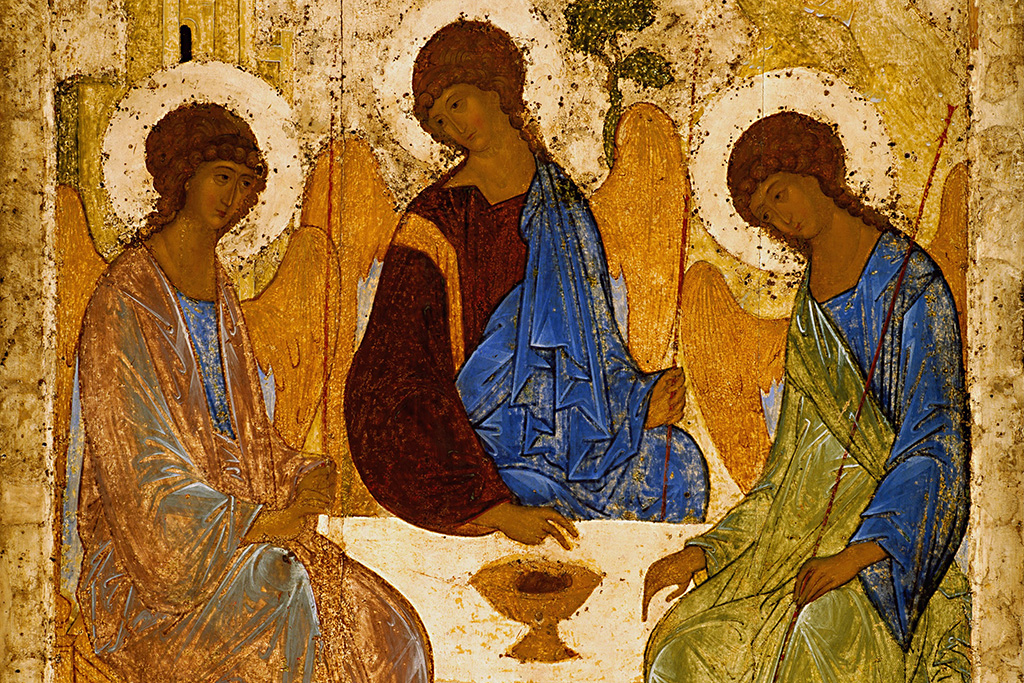
Andrej Rubljov: Szentháromság
Compulsory and compulsory elective subjects managed by the department:
- Introduction to Theology
- Dogmatic Theology
- Moral Theology
- Fundamental Theology and Theological Epistemology
- Social Theology
- Ecclesiology
- Christian Spirituality
- Liturgy
- Canon Law
- Practical Theology
- Pastoral Sacramentolog
- Ethnology
- Sociology of Disadvantaged Groups
- Rural Sociology
- Church Music
- Sacred Art
A Tanszék oktatói
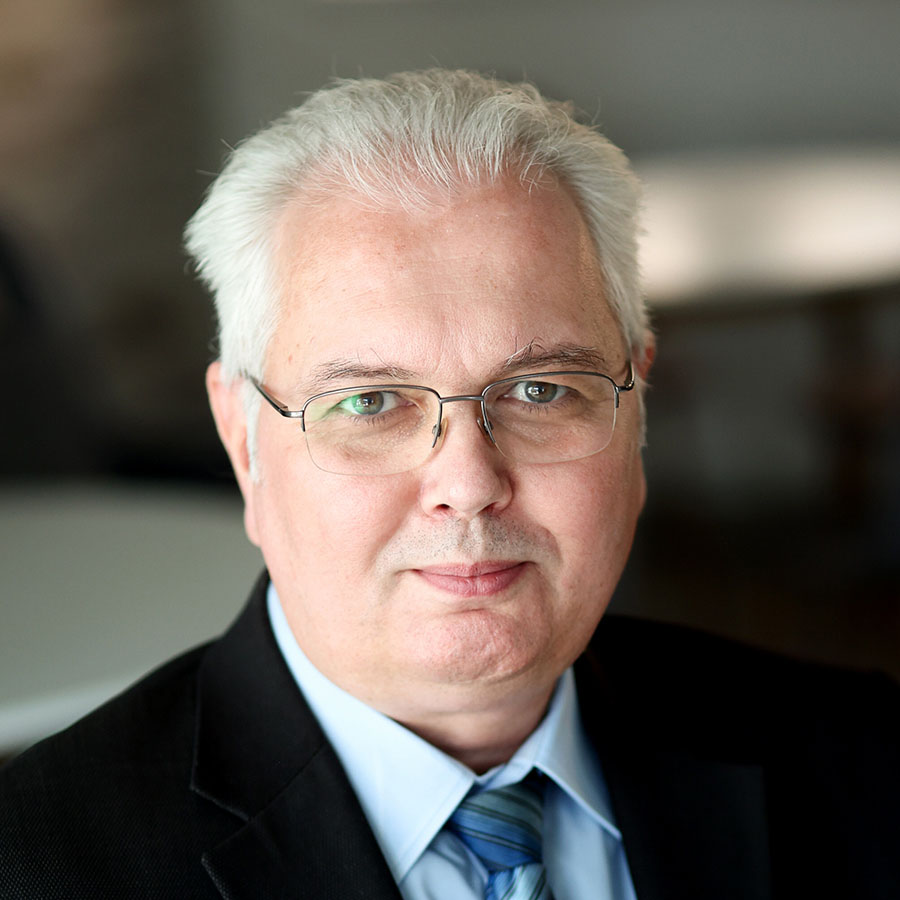
DR. TAMÁS ROLAND
tanszékvezető főiskolai docens
doktori fokozat PhD, Innsbruck (2004)
oktatott tárgya: dogmatika
e-mail: dr.tamas.roland@gmail.com
fogadóóra: kedd, 13:30-14:30
OROVA CSABA
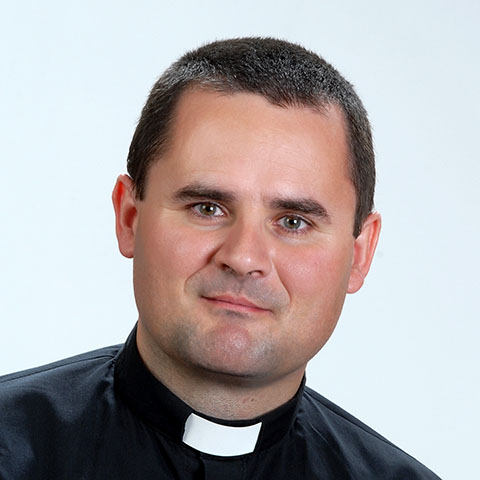
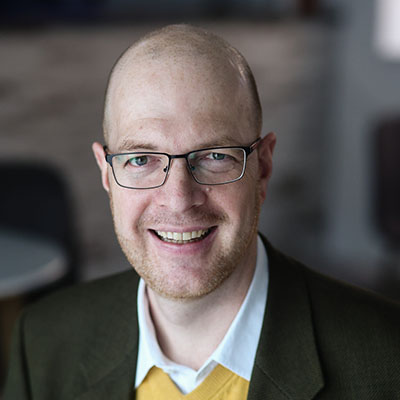
DR. Habil. KAJTÁR EDVÁRD
egyetemi tanár
doktori fokozat PhD, Pázmány Péter Katolikus Egyetem (2010)
habilitáció, Pázmány Péter Katolikus Egyetem (2024)
oktatott tárgya:
liturgika
mtmt | CV
e-mail: e.kajtar@gmail.com
fogadóóra: péntek, 10:00-11:00
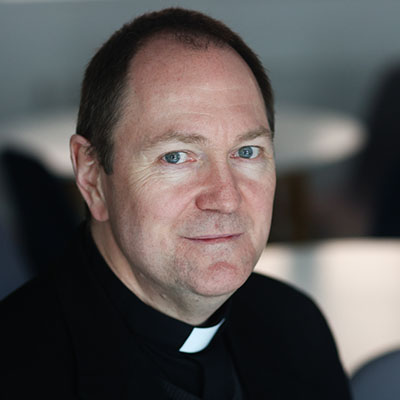
SZÉP ATTILA
óraadó
kánonjogi licenciátus,
Pázmány Péter Katolikus Egyetem Kánonjogi Intézet (2015)
e-mail: szep.attila@pphf.hu
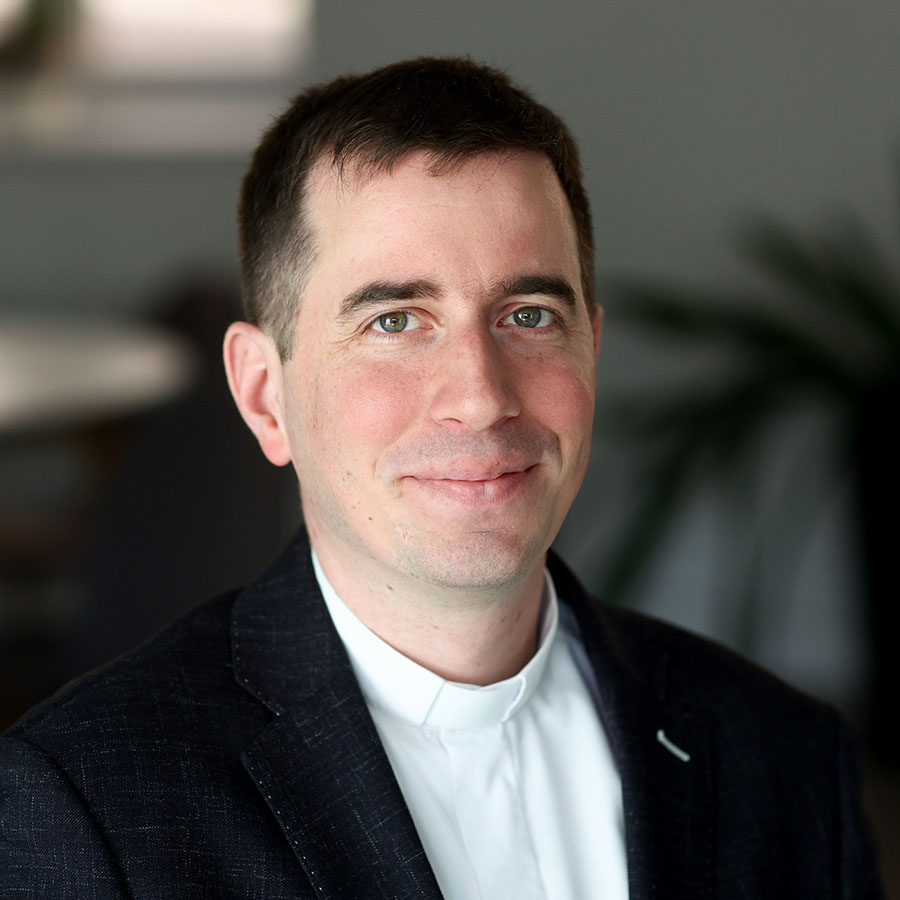
Dr. Fekete Zoltán
óraadó
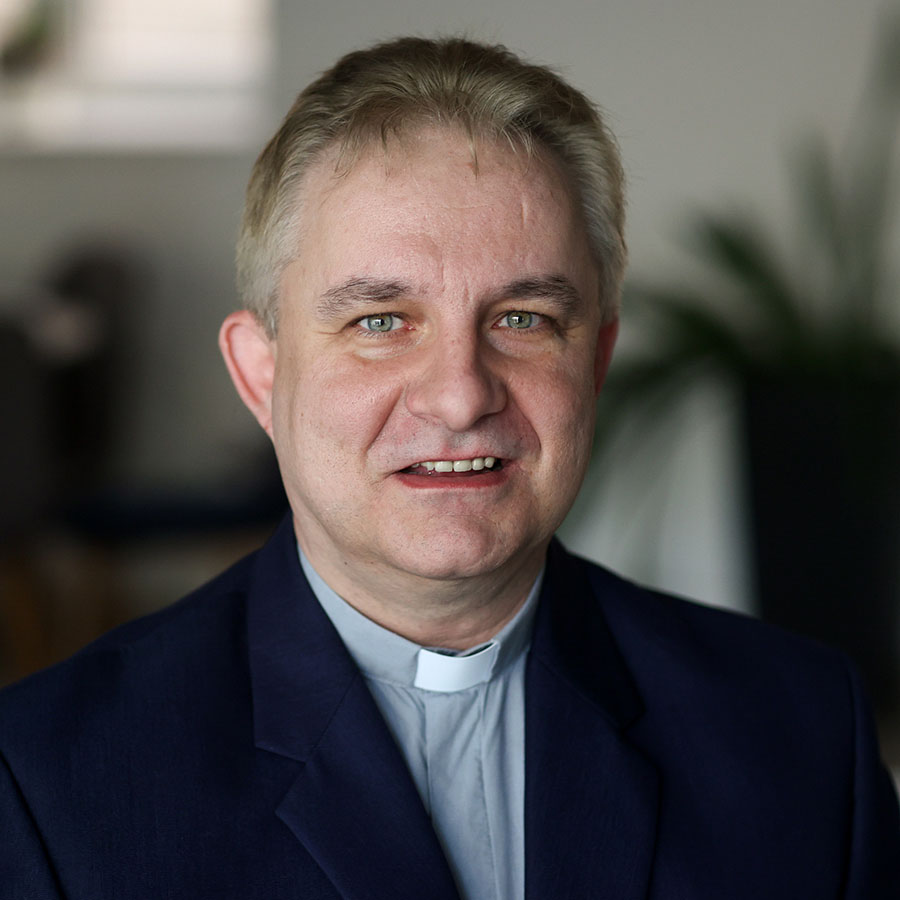
Dr. Hegedűs János
óraadó